When you need to help a friend or loved one secure a release from jail, understanding the difference between a cash bond and a surety bond is critical. Both types of bonds can be used to get a defendant released from CCDC, Henderson Detention Center, or North Las Vegas Jail so the accused can await scheduled court hearings, yet each option carries very different costs and responsibilities.
This guide from eBAIL Cheap Bail Bonds Las Vegas breaks down how each bond works, explains what a co-signor agrees to, and outlines the collateral commonly accepted by a bail agent. We also discuss Nevada Revised Statute NRS 697.300, which governs how a Bail Bondsman operates in the state. Finally, we cover what happens when a defendant has a failure to appear after receiving a notice from the court, and how you can protect yourself and your property throughout the process.
(702)-462-9200
Summary of This Blog Post
- How a cash bond works when posted directly to the court
- How Bail Bonds (surety bonds) work through a licensed Bail Bondsman
- The 15% premium required by a bail agent in Las Vegas
- The role and responsibility of a co-signor on a bail contract
- Types of collateral accepted to secure a bond
- What happens if the defendant has a failure to appear in court
- An overview of Nevada law NRS 697.300 and bail agent regulation
- Release procedures at CCDC, Henderson Detention Center, and North Las Vegas Jail
- Frequently Asked Questions
- Key Takeaways
What Happens After a Judge Sets the Bail Amount
When a person accused of a crime is arrested and booked into the Clark County Detention Center (CCDC), Henderson Detention Center, or North Las Vegas Jail, a hearing is held to determine the bail amount required to secure temporary release. If the full bail amount is paid directly to the court, this is referred to as a cash bond.
The defendant may also request a bail reduction by hiring an attorney, but this process takes time and the accused typically remains in custody while the motion is pending. As an alternative, you can obtain a surety bond, also known as Bail Bonds, for 15% of the total bail amount set by the judge. This 15% premium is established by Nevada law and regulated under NRS 697.300.
How Does a Cash Bond Work in Las Vegas?
A detainee can have a friend, family member, or other representative pay the full amount of bail directly to the court. While this is a large sum of money to pay upfront, the funds will be returned, less any fines and fees, once the defendant has attended every court hearing and the case is resolved. Posting a cash bond ties up the entire bail amount until the case concludes, which can take many months or longer. For most families, that is not a practical option, which is why many people in Las Vegas choose a surety bond through a licensed Bail Bondsman instead.
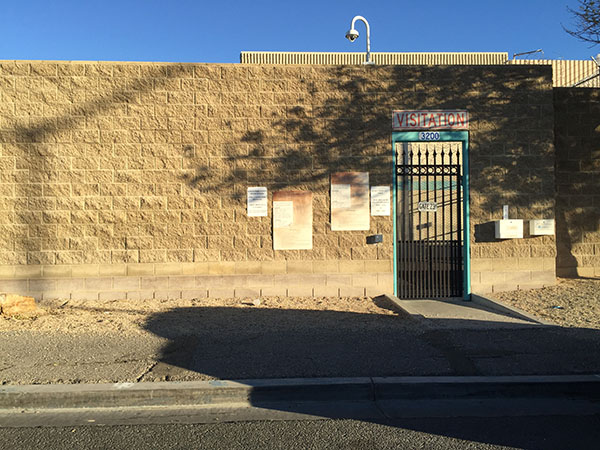
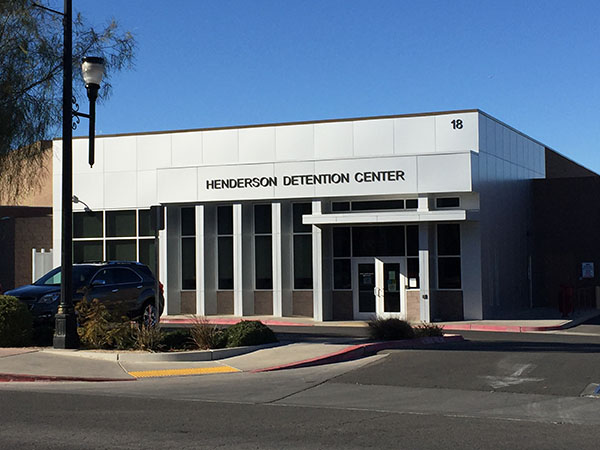
How Does a Surety Bond (Bail Bond) Work?
If you do not have the full amount of bail in cash, you can pay 15% of the total bail amount to a Bail Bondsman. You will also need to provide enough collateral to secure the full bail amount, guaranteeing that the defendant will appear at every court proceeding. The bail agent then posts the full bail amount on your behalf, and the accused is released from CCDC, Henderson Detention Center, or North Las Vegas Jail. This 15% fee is earned once the bond is posted and is not refundable, regardless of the outcome of the case. The entire arrangement is governed by Nevada law NRS 697.300, which establishes standards of conduct for every licensed bail agent in the state.
The Role and Responsibility of a Co-Signor
When you enter into an agreement with a Bail Bondsman, you may be asked to sign as the co-signor of the bond. This is a significant responsibility. As a co-signor, you must make sure the accused shows up to every court date, that the 15% premium is paid in full, and that any agreed-upon payment plan is kept current. When you sign over collateral, you are giving the bondsman power of attorney over that property until the case is closed. If the accused has a failure to appear, the co-signor shares financial responsibility for the full bail amount. Before signing, make sure you fully understand every obligation outlined in the bail contract.
Types of Collateral Accepted for Bail Bonds
A bail agent at eBAIL Cheap Bail Bonds Las Vegas may accept several forms of collateral to secure the bond, including:
- Cash
- Credit card
- Bank account
- Land
- Home or other real property
- Car or other motor vehicle title
- Fine jewelry
- Coins (gold or silver)
- Firearms
- Other items of value that can be pawned or sold for cash
Collateral is held by the Bail Bondsman for the duration of the case and returned once the defendant fulfills every court obligation.
(702)-462-9200
If the Accused Shows Up for All Court Dates
As long as the defendant attends every court hearing and the legal matter is resolved, the collateral is returned to the co-signor at the conclusion of the case. The bail agent keeps only the 15% premium as the earned fee for the service of posting the bond. This is the best possible outcome for everyone involved and is the result in the vast majority of Bail Bonds cases handled in Las Vegas.
If the Accused Skips Court Dates — Failure to Appear
If the defendant misses a court appearance after receiving a notice to appear, this is considered a failure to appear, and the court will typically issue a bench warrant. The bail bondsman then has 180 days, or roughly 6 months, to locate and surrender the accused back into custody. In many cases, a Bail Bondsman will hire a recovery agent, sometimes called a bounty hunter, to find the defendant. If the accused cannot be located within that window, the bondsman must pay the full bail amount to the court.
The co-signor then owes the bondsman the outstanding balance, and the collateral may be forfeited to cover the loss. If you are worried that the accused may flee, you can surrender the defendant to the bail agent, cancel the bond, and protect your collateral before a failure to appear occurs. This right is one of the most important protections granted to a co-signor under NRS 697.300.
Nevada Law NRS 697.300 and the Bail Agent
Every licensed Bail Bondsman in Nevada operates under the rules of NRS 697.300. This statute outlines the professional conduct expected of a bail agent, the limits on fees that can be charged, the proper handling of collateral, and the remedies available when a defendant has a failure to appear. Choosing a licensed bail agent means you are working with a professional held accountable to state law, which protects both the co-signor and the defendant throughout the process.
Release Locations in the Las Vegas Area
eBAIL Cheap Bail Bonds Las Vegas posts Bail Bonds at every major detention facility in the valley, including the Clark County Detention Center (CCDC), the Henderson Detention Center, and the North Las Vegas Jail. Each facility has its own booking and release procedures, which can affect how quickly a defendant is released after the bond is posted. A local bail agent who works with these facilities daily can guide you through the process and keep you informed from booking to release.
Frequently Asked Questions
What is the difference between a cash bond and a surety bond?
A cash bond requires payment of the full bail amount directly to the court, which is refunded at the end of the case after any fines and fees. A surety bond, or Bail Bond, requires only 15% of the bail amount paid to a licensed Bail Bondsman, with collateral securing the remainder.
How much does a bail agent charge in Las Vegas?
A licensed bail agent in Nevada charges 15% of the total bail amount, as regulated by NRS 697.300. This premium is non-refundable once the bond is posted.
What is a failure to appear?
A failure to appear happens when a defendant does not show up in court after receiving a notice to appear. The court will issue a bench warrant, and the Bail Bondsman will have up to 180 days to surrender the defendant before forfeiting the full bail amount.
What happens to my collateral after the case is over?
If the defendant appears at every court date and the case is resolved, the collateral is returned to the co-signor in full. The bail agent retains only the 15% premium.
Can a co-signor cancel a Bail Bond?
Yes. If the co-signor believes the defendant is a flight risk, they can contact the Bail Bondsman and arrange to surrender the accused. Cancelling the bond before a failure to appear can protect your collateral and limit your financial responsibility.
Does eBAIL Cheap Bail Bonds Las Vegas work with CCDC, Henderson Detention Center, and North Las Vegas Jail?
Yes. eBAIL posts Bail Bonds at every major facility in the Las Vegas Valley, including the Clark County Detention Center, the Henderson Detention Center, and the North Las Vegas Jail.
What is NRS 697.300?
NRS 697.300 is the Nevada Revised Statute that governs the licensing and conduct of every bail agent and Bail Bondsman operating in the state, including fee limits, collateral handling, and remedies for failure to appear.
Key Takeaways
- A cash bond requires the full bail amount to be posted with the court, while a surety bond requires only 15% paid to a licensed Bail Bondsman.
- Nevada law NRS 697.300 regulates every bail agent in the state and sets the 15% premium.
- A co-signor takes on the responsibility of making sure the defendant attends every court date and keeps the payment plan current.
- Accepted collateral can include cash, real property, vehicles, jewelry, firearms, coins, and other items of value.
- A failure to appear after a court notice can trigger forfeiture of the full bail amount and loss of the collateral.
- A co-signor can cancel the bond and surrender the defendant to the bail agent before a court date if flight is suspected.
- eBAIL Cheap Bail Bonds Las Vegas posts Bail Bonds at CCDC (Clark County Detention Center), Henderson Detention Center, and North Las Vegas Jail.
Cheap Bail Online Now!
EBAIL’S SERVICE LOCATIONS
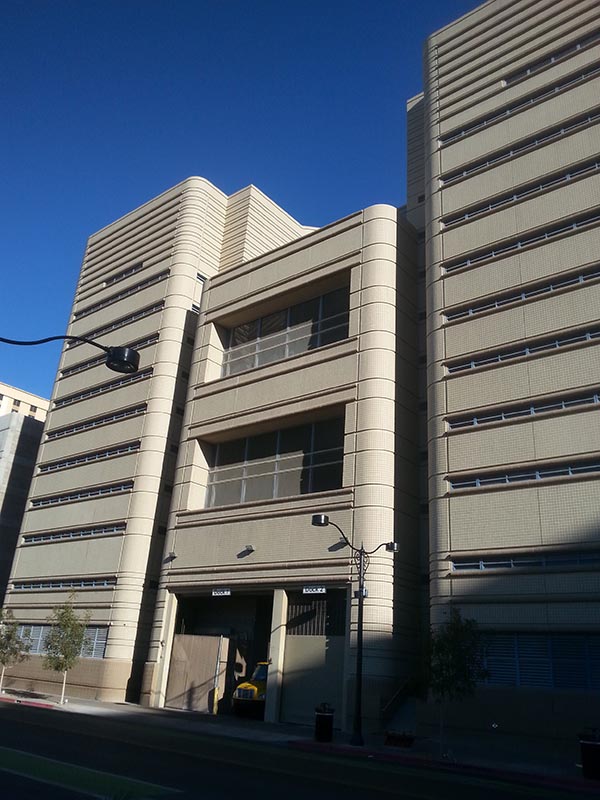
Hablas, Español? eBAIL Cheap Bail Bonds ofrece opciones de fianza en línea rápidas, sin pago inicial, en Las Vegas, NV 24/7. También presta servicios de fianzas en línea baratas en North Las Vegas, Henderson, Boulder City y Nationwide. Vas aquí para mas información en Fianzas en Las Vegas NV.
Common Types of Las Vegas Bail Bonds:
If you need bail assistance or information for one of the surrounding jails please visit: Bail Bonds Las Vegas, North Las Vegas Bail Bonds, Henderson Bail Bonds, or Boulder City Bail Bonds
Contact eBAIL Cheap Bail Bonds Las Vegas
eBAIL Cheap Bail Bonds
(702)-462-9200
Marc Gabriel
3100 E Charleston Blvd
108
Las Vegas, NV 89104
Continue to our Contact Us page for more information about our location. Also see us on Google Maps. If you would like to see our reviews please visit our Bail Bonds Las Vegas Reviews pages.