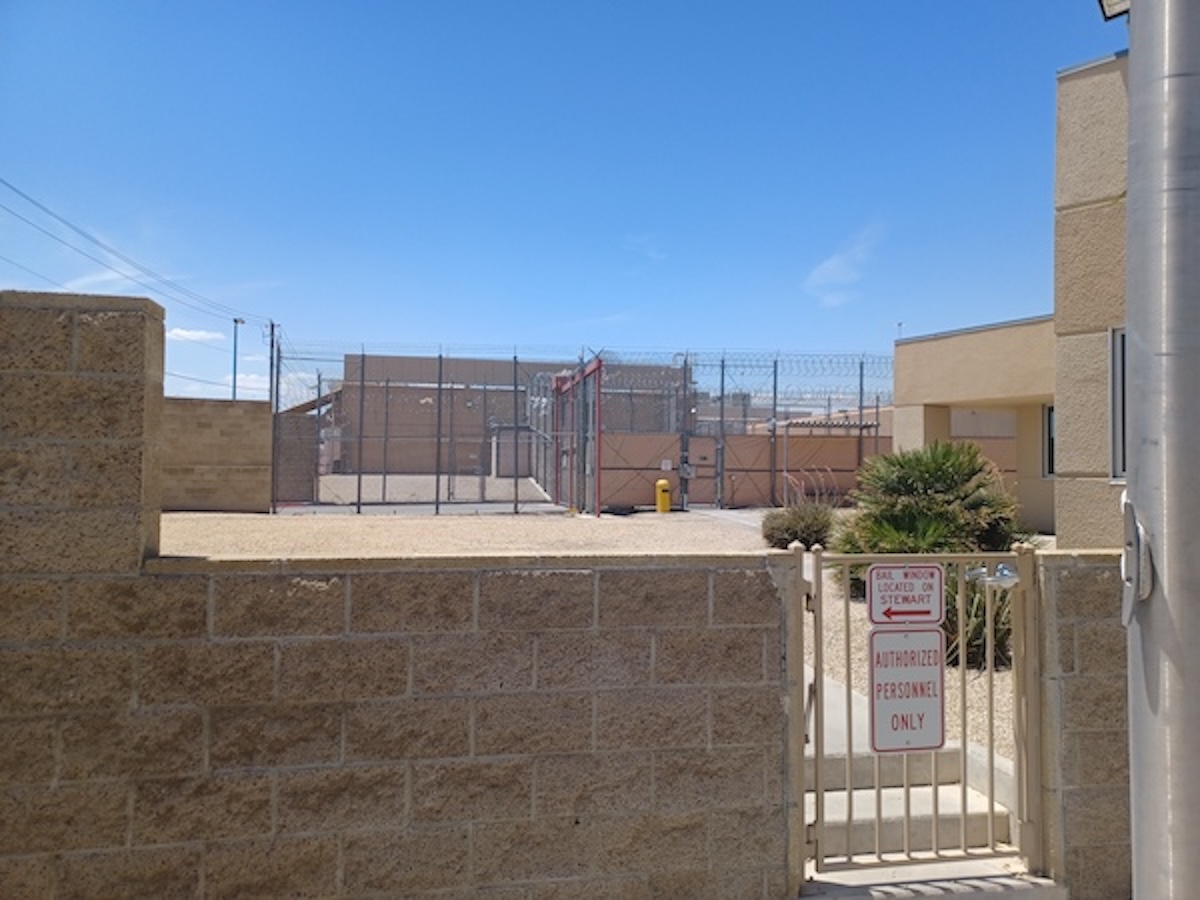
When a loved one is arrested and booked into CCDC, Henderson Detention Center, or the North Las Vegas Jail, understanding the types of collateral that can be used to secure a bail bond is critical. Collateral acts as a financial safeguard for the bail agent, ensuring the defendant appears in court and fulfills all legal obligations.
At eBAIL Cheap Bail Bonds Las Vegas, we accept a wide variety of collateral options so that families are not forced to come up with large sums of cash during an already stressful time. This guide explains how collateral works, what items qualify, and the responsibility of the co-signor throughout the process. Whether you are dealing with a first-time arrest or navigating a failure to appear situation, this resource will help you understand every step.
(702)-462-9200
What This Blog Post Covers
- How bail bond collateral works in Las Vegas and under Nevada law (NRS 697.300)
- The different types of collateral accepted by a licensed Bail Bondsman
- The role and responsibility of the co-signor on a bail bond
- What happens when a defendant has a failure to appear and receives a notice from the court
- How a bounty hunter becomes involved when someone skips bail
- Information specific to CCDC, Clark County Detention Center, Henderson Detention Center, and the North Las Vegas Jail
- Frequently Asked Questions about Bail Bonds and collateral
- Key Takeaways to help you make informed decisions
Understanding Bail Bond Collateral in Las Vegas
When securing Bail Bonds in Las Vegas for yourself or a loved one, it is important to be aware of the various types of collateral you may be able to use. Collateral is a financial guarantee given to the bail agent, which is held as security for the entire bail amount set by the court. If the accused fails to appear for scheduled hearings or the trial after being released from jail, the collateral may be retained by the Bail Bondsman and sold to repay the full amount of bail as outlined in the bond agreement.
Under Nevada law, specifically NRS 697.300, licensed bail agents are authorized to accept collateral as part of the bail bond process. This statute governs how collateral must be handled, stored, and eventually returned once the court case is resolved and the defendant has met all court appearances.
How Much Does a Bail Bond Cost in Las Vegas?
In Nevada, you can hire a licensed Bail Bondsman for 15 percent of the total bail amount. This premium is the industry standard and is regulated by the state. While this 15 percent fee is typically paid in cash, many people do not have access to that much money, especially when bail is set very high at CCDC, Henderson Detention Center, or the North Las Vegas Jail. When cash is not available, a qualified bail agent will often accept collateral in lieu of full cash payment to hold until the accused resolves all legal matters or pays the 15 percent premium in full.

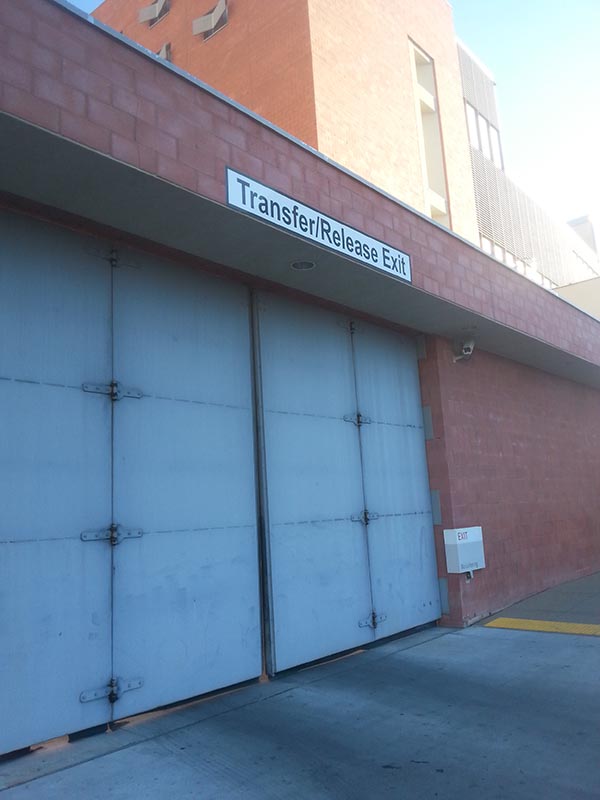
Types of Collateral Accepted for a Bail Bond
There are several types of collateral that a licensed Bail Bondsman may accept when writing a bond in Las Vegas. The value and liquidity of the item generally determine whether it can be used to secure the release of a defendant from the Clark County Detention Center or other Nevada jails.
Real Estate and Property
Real property, such as a primary home, vacation property, commercial building, or undeveloped land, is one of the most common forms of collateral for large bail bonds. A lien may be placed on the property by the bail agent, and the lien is released once the case is closed and all court obligations are met. This option is often used when bail is set in the tens or hundreds of thousands of dollars.
Vehicles
Cars, trucks, motorcycles, boats, and recreational vehicles can also be used as collateral. The vehicle title is typically signed over to the Bail Bondsman and held until the court case is resolved. Vehicles must generally be paid off or have significant equity to qualify.
Jewelry, Precious Metals, and Firearms
Smaller items that can be pawned or carry significant resale value may also be considered. This includes fine jewelry, gold or silver coins, bullion, high-end watches, and legally owned firearms. These items are held securely by the bail agent until the defendant satisfies all court requirements.
Electronics and Valuables
High-value electronics, collectibles, fine art, and other luxury items can sometimes be accepted as collateral. Essentially, any item that holds measurable and verifiable value can be used in place of cash to secure the release of an arrested party from a Las Vegas detention center.
Cash and Credit
Cash remains the most common form of collateral. High-limit credit cards can also be used to cover the 15 percent premium, and some bail agents allow the balance to be paid through structured payment plans with an approved co-signor.
The Responsibility of the Co-Signor
A co-signor, also known as an indemnitor, is the person who signs the bail bond agreement and takes on financial responsibility for ensuring the defendant appears in court. This is not a role to take lightly. The co-signor agrees that if the defendant fails to appear, they will be financially liable for the full bail amount as well as any costs associated with locating and returning the defendant to custody.
The responsibility of the co-signor includes making sure the defendant attends every court date, stays in contact with the bail agent, and follows all conditions of release set by the court. If these responsibilities are not met, the co-signor may lose the collateral they pledged and could be pursued for any remaining balance.
Failure to Appear and Court Notice
A failure to appear occurs when a defendant does not show up for a scheduled court date. When this happens, the court typically issues a bench warrant and sends a notice to the bail agent and the co-signor. The court will also demand that the full bail amount be paid, which is why collateral is so important to the Bail Bondsman.
Once a notice of failure to appear is received, the bail agent has a limited window of time under Nevada law to locate the defendant and return them to custody. This is typically where a licensed bounty hunter, also called a bail enforcement agent, enters the process.
(702)-462-9200
The Role of a Bounty Hunter
A bounty hunter is a licensed professional hired by the bail agent to locate and apprehend defendants who have skipped bail. In Nevada, bounty hunters must be licensed and must follow strict state regulations regarding apprehension and return of fugitives. They work closely with the Bail Bondsman, the co-signor, and local law enforcement to bring the defendant back to CCDC, Henderson Detention Center, or the North Las Vegas Jail.
The involvement of a bounty hunter often means additional costs, which may be passed on to the co-signor and taken out of any posted collateral. Avoiding a failure to appear is always the best way to protect collateral and avoid additional legal complications.
Collateral and the Las Vegas Jails
Each jail in the Las Vegas valley has its own booking procedures, release times, and bail schedules. Knowing where your loved one is being held helps the bail agent process the bond faster.
Clark County Detention Center (CCDC)
CCDC is the largest jail in Southern Nevada and is located in downtown Las Vegas. Bail amounts here can vary widely, and large bonds often require substantial collateral.
Henderson Detention Center
The Henderson Detention Center serves the city of Henderson and processes bonds for a variety of local charges. Collateral requirements are similar to those at CCDC.
North Las Vegas Jail
The North Las Vegas Jail handles arrests made within North Las Vegas city limits. Posting bail here also often requires collateral for higher bond amounts.
Frequently Asked Questions
What are the most common types of collateral accepted by a Bail Bondsman in Las Vegas?
The most common types of collateral include real estate, vehicles with clear titles, jewelry, precious metals, firearms, and cash. A licensed bail agent will evaluate each item to determine its value and whether it is sufficient to secure the bond.
Is collateral always required for Bail Bonds in Las Vegas?
Not always. For smaller bail amounts, the 15 percent premium and a qualified co-signor may be enough. For larger bonds, collateral is often required to protect the Bail Bondsman from financial loss if the defendant has a failure to appear.
When is collateral returned to the co-signor?
Under NRS 697.300, collateral must be returned to the co-signor once the court case is fully resolved and the defendant has met all court obligations. This typically happens after sentencing, dismissal, or acquittal.
What happens to my collateral if the defendant has a failure to appear?
If the defendant fails to appear and cannot be located within the time allowed by the court, the bail agent may sell the collateral to satisfy the full bail amount. This is why the responsibility of the co-signor is so important.
Can a bounty hunter enter my home to apprehend a fugitive?
In Nevada, licensed bounty hunters have specific legal authority to locate and apprehend fugitives who have skipped bail. Their powers are regulated by state law, and they must follow all legal procedures during apprehension.
What is NRS 697.300?
NRS 697.300 is the Nevada Revised Statute that governs how licensed bail agents operate, including how collateral must be handled, stored, documented, and returned. It provides legal protection for both the Bail Bondsman and the co-signor.
How fast can eBAIL get someone out of CCDC, Henderson Detention Center, or the North Las Vegas Jail?
Once a bond is approved and collateral or payment is received, release times typically range from a few hours to overnight, depending on the jail and how busy booking is at the time.
Key Takeaways
- Collateral is a financial guarantee given to the bail agent to secure a bail bond in Las Vegas.
- Common types of collateral include real estate, vehicles, jewelry, precious metals, firearms, and cash.
- The standard fee for a Bail Bondsman in Nevada is 15 percent of the total bail amount.
- A co-signor carries the responsibility of ensuring the defendant appears in court for every scheduled date.
- A failure to appear triggers a court notice, a bench warrant, and potential involvement of a bounty hunter.
- NRS 697.300 governs how collateral is handled and returned in Nevada.
- eBAIL Cheap Bail Bonds Las Vegas works with clients at CCDC, Clark County Detention Center, Henderson Detention Center, and the North Las Vegas Jail.
- Understanding the types of collateral available helps families make informed decisions during a stressful time.
Cheap Bail Online Now!
EBAIL’S SERVICE LOCATIONS
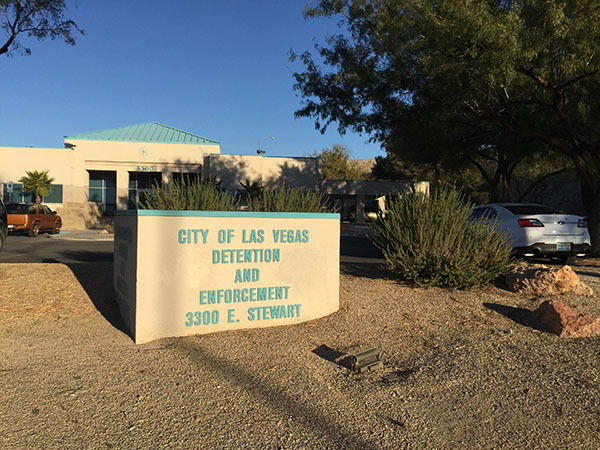
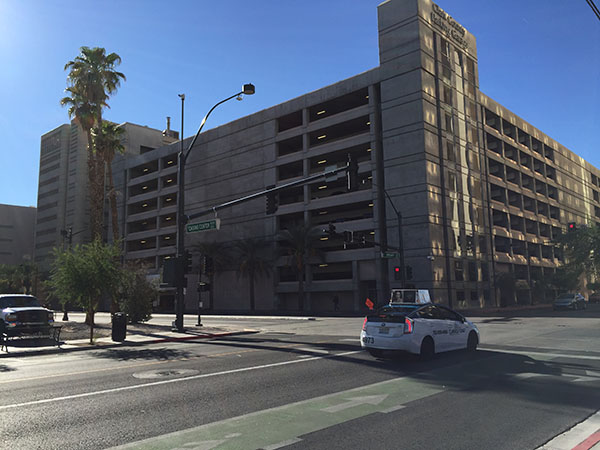
Hablas, Español? eBAIL Cheap Bail Bonds ofrece opciones de fianza en línea rápidas, sin pago inicial, en Las Vegas, NV 24/7. También presta servicios de fianzas en línea baratas en North Las Vegas, Henderson, Boulder City y Nationwide. Vas aquí para mas información en Fianzas en Las Vegas NV.
Common Types of Las Vegas Bail Bonds:
Contact eBAIL Cheap Bail Bonds Las Vegas
eBAIL Cheap Bail Bonds
(702)-462-9200
Marc Gabriel
3100 E Charleston Blvd
108
Las Vegas, NV 89104
Continue to our Contact Us page for more information about our location. Also see us on Google Maps. If you would like to see our reviews please visit our Bail Bonds Las Vegas Reviews pages.