
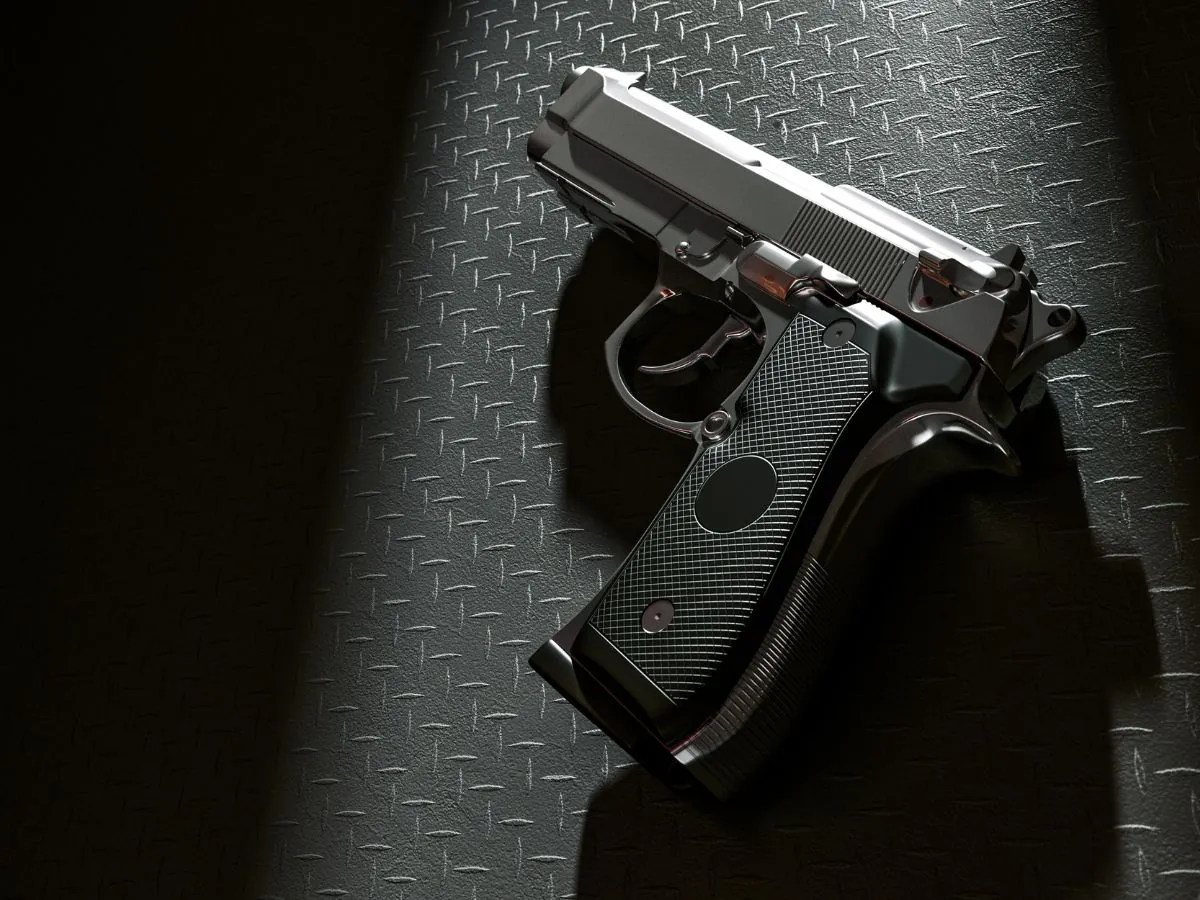
Possession of a Firearm in Nevada is a topic that demands careful attention from anyone who owns, carries, or is even thinking about buying a gun in the Silver State. This blog post breaks down what Nevada law says about who can legally possess a firearm, when possession becomes illegal, the difference between open carry and concealed carry, and what to expect if you or a loved one is arrested and detained at CCDC, Henderson Detention Center, or North Las Vegas Jail.
We will also explain how a bail bond works, the role of a bail bondsman, why a co-signor and collateral may be required, and how NRS 697.300 protects an arrestee. Whether you are dealing with a felony charge, a stolen firearm allegation, a missing CCW permit, or a failure to appear notice from the court, this guide is here to help. Knowing the law before something goes wrong can save time, money, and freedom.
(702)-462-9200
What This Blog Covers
- How Nevada law treats firearm ownership, open carry, and concealed carry
- When possession of a gun becomes illegal and who is prohibited
- What charges, including a felony charge, can follow an arrest
- Where an arrestee is detained: CCDC, Henderson Detention Center, or North Las Vegas Jail
- How the bail bond process works under NRS 697.300
- The role of the bail bondsman, bail agent, co-signor, and collateral
- What happens after a failure to appear notice from the court
- How gun safety classes can support a defense
- Frequently asked questions about firearm charges in Las Vegas, Nevada
- Key takeaways and a legal disclaimer
Understanding Nevada Gun Laws
Nevada is widely considered a gun-friendly state, but firearm ownership here still comes with conditions and limitations. Open carry is legal in most public places for adults 18 or older who are not otherwise prohibited from owning a gun. Concealed carry, however, requires a valid Concealed Firearm Permit, commonly known as a CCW, issued by a Nevada sheriff’s office. Applicants must be 21 or older, submit to fingerprinting and a background check, and complete a certified firearm safety course before a CCW is granted.
Beyond age and permit requirements, certain individuals are barred entirely from owning or carrying a firearm under both Nevada and federal law. These prohibited persons include convicted felons, individuals with active protection orders against them, those convicted of domestic violence offenses, and anyone with specific mental health adjudications on record. If a prohibited person is caught with a weapon, the consequences can be severe, often resulting in a felony charge that carries the possibility of prison time.
When Possession of a Firearm Becomes Illegal
Illegal Possession of a Firearm in Las Vegas can stem from a variety of circumstances. Some of the most common situations include carrying a concealed weapon without a CCW, possessing a stolen firearm, having a gun while subject to a restraining order, or being a felon found with a weapon. Each of these scenarios can lead to charges that range from misdemeanors to serious felonies, depending on the facts of the case.
If a firearm was stolen, the person charged may also face additional theft-related charges. If the weapon was used in connection with another crime, such as a drug offense, the charges escalate quickly. Even something as simple as forgetting to renew an expired CCW permit can lead to an arrest if a person is found with a concealed weapon. The bottom line is that any situation involving a gun should be taken seriously from the moment law enforcement becomes involved.
Felony Charges and Possession of a Firearm in Nevada
A felony charge for Possession of a Firearm typically applies when the accused is a prohibited person or when the firearm is connected to other criminal conduct. Being charged with a felony related to a gun is no small matter. Penalties can include lengthy prison sentences, hefty fines, loss of voting rights, and a permanent criminal record that affects employment, housing, and future ownership rights.
When someone is charged in Clark County, the arrestee is usually booked at CCDC, the Clark County Detention Center. Those arrested in the city of Henderson are taken to the Henderson Detention Center, while individuals detained in North Las Vegas are processed at the North Las Vegas Jail. The detainee will then go through booking, where bail is typically set based on the severity of the charges and any prior criminal history.
What Happens After an Arrest
Once a person has been arrested on a firearm-related charge, the clock starts ticking. The arrestee will be processed at the appropriate jail, and a judge or court officer will set bail. The detained individual or a co-signor can then contact a licensed bail agent to begin the bail bond process. Acting quickly is important because every hour spent in custody is an hour not spent preparing a defense, contacting an attorney, or returning to family and work.
Failure to appear at scheduled court dates is one of the most damaging mistakes a person can make after being released. A failure to appear can trigger a bench warrant, additional charges, and forfeiture of any bail bond posted. The notice of court dates and the responsibility for showing up falls squarely on the arrestee, but a reliable bail bondsman will often help track and remind clients of upcoming court appearances.
Bail Bonds and Possession of a Firearm Cases
When someone faces a charge for Possession of a Firearm, posting bail is often the first step toward freedom and a strong legal defense. A bail bond is essentially a financial guarantee made to the court that the defendant will appear at all scheduled hearings. A bail bondsman, also known as a bail agent, posts the full bail amount on behalf of the defendant in exchange for a non-refundable premium, which under Nevada law is typically 15 percent of the total bail.
In some cases, especially when the bail amount is high, a co-signor and collateral may be required. The co-signor is usually a family member or close friend who agrees to be financially responsible if the defendant fails to appear in court. Collateral might include real estate, vehicles, or other valuable property used to secure the bond. At eBAIL Cheap Bail Bonds Las Vegas, we work with families across Clark County to make this process as smooth and affordable as possible.
(702)-462-9200
NRS 697.300 and the Role of the Bail Bondsman
NRS 697.300 is part of the Nevada statute that governs the licensing and conduct of bail agents and bail bondsmen. It sets the rules for how bail bonds are written, posted, and serviced throughout the state. A licensed bail bondsman operating under NRS 697.300 must follow strict guidelines designed to protect both the arrestee and the co-signor. This includes transparent pricing, clear contracts, and a duty to communicate court dates and other important notices.
Working with a bail agent who understands NRS 697.300 is especially important when the underlying charge involves a weapon, because these cases often carry higher bail amounts and stricter release conditions. A knowledgeable bondsman can explain what to expect, how to handle the responsibility of staying in compliance with court orders, and what steps to take if an unexpected issue arises during the case.
Gun Safety Classes as a Positive Step
Even outside of legal proceedings, taking a certified gun safety class is a responsible move for anyone who owns a firearm or wants to apply for a CCW. These courses typically cover safe handling and secure storage of firearms, the legal responsibilities that come with gun ownership, conflict de-escalation strategies, and the specific requirements for a Nevada concealed carry application.
For defendants facing a Possession of a Firearm charge, completing a gun safety class can sometimes be viewed favorably by the court. It demonstrates a willingness to take responsibility and learn from the situation, which may, in some cases, contribute to reduced penalties or even dismissed charges depending on the facts. While outcomes vary widely, taking proactive steps is almost always better than doing nothing.
Why Fast Bail Matters
If someone you love has been arrested on a firearm-related charge, getting them released quickly is one of the best things you can do. A defendant who is out on bail can meet with a qualified attorney, attend gun safety classes, gather evidence, and prepare for court. Sitting inside CCDC, the Henderson Detention Center, or the North Las Vegas Jail makes that nearly impossible. At eBAIL Cheap Bail Bonds Las Vegas, we are available 24 hours a day, 7 days a week, to help with bail bonds for Possession of a Firearm cases and other charges throughout Clark County, Nevada.
Frequently Asked Questions
Is open carry legal in Las Vegas?
Yes, open carry is legal in Las Vegas and throughout Nevada for adults 18 and older who are not prohibited from owning a firearm. However, certain locations such as schools, federal buildings, and private property with posted restrictions still prohibit open carry.
Do I need a CCW permit to carry concealed in Nevada?
Yes. Concealed carry of a handgun in Nevada requires a valid CCW issued by a county sheriff. Carrying a concealed weapon without the proper permit can lead to serious charges and an immediate arrest.
What happens if I am charged with felony Possession of a Firearm?
A felony charge can result in significant prison time, fines, and the loss of certain civil rights. The exact outcome depends on the facts of the case, prior criminal history, and whether the weapon was stolen or used in another crime.
Where will I be taken if I am arrested in Las Vegas?
If you are arrested in the Las Vegas area, you will likely be booked at CCDC, the Clark County Detention Center. Those arrested in Henderson go to the Henderson Detention Center, and people detained in North Las Vegas are processed at the North Las Vegas Jail.
How does a bail bond work in Nevada?
A bail bond is a contract between the bail bondsman, the arrestee, and often a co-signor. The bondsman posts the full bail amount with the court in exchange for a premium, typically 15 percent under NRS 697.300. Collateral may also be required for higher bail amounts.
What happens if I fail to appear in court?
A failure to appear in court can result in a bench warrant, the loss of any bail bond posted, and additional criminal charges. It is critical to keep track of every notice from the court and to communicate with your bail agent if any conflict with a scheduled date arises.
Can a felon ever own a firearm again in Nevada?
In most cases, convicted felons cannot legally possess a firearm in Nevada. Restoration of firearm rights is a complex legal process that may require a pardon or specific court order, which is one reason retaining a qualified attorney is essential.
What does a co-signor agree to when signing a bail bond?
A co-signor takes on financial responsibility for the bail bond. If the arrestee misses a court date, the co-signor may be liable for the full bail amount and may lose any collateral pledged to secure the bond.
Cheap Bail Online Now!
Key Takeaways
- Possession of a Firearm in Nevada is legal for many adults, but specific rules apply to age, permits, and personal background.
- Open carry is generally legal, while concealed carry requires a valid CCW issued by a Nevada sheriff.
- Convicted felons, those subject to protection orders, and individuals with certain mental health adjudications cannot legally own a firearm.
- A stolen firearm, a missing permit, or a connection to another crime can quickly turn a possession matter into a felony charge.
- An arrestee is typically booked at CCDC, Henderson Detention Center, or North Las Vegas Jail depending on where the arrest occurs.
- NRS 697.300 governs how a licensed bail bondsman or bail agent posts bail in Nevada.
- A co-signor and collateral may be required to secure a bail bond, especially in higher-bail cases.
- Failure to appear at court can lead to a bench warrant, forfeited bail bonds, and new charges.
- Gun safety classes can show responsibility and may benefit a defendant during a case.
- Always retain a qualified attorney for any firearm-related case, and call eBAIL Cheap Bail Bonds Las Vegas for fast 24/7 bail bond service.
Legal Disclaimer
The information provided in this blog post is intended for general educational purposes only and should not be considered legal advice. Laws regarding Possession of a Firearm in Nevada can change and may be applied differently based on the specific facts of a case.
If you or a loved one is facing a firearm-related charge, you should contact and retain a qualified Nevada attorney for advice specific to your situation. eBAIL Cheap Bail Bonds Las Vegas is a licensed bail bonds provider operating under NRS 697.300 and does not offer legal representation or legal advice.
EBAIL’S SERVICE LOCATIONS
Continue to our Contact Us page for more information about our location. Also see us on Google Maps. If you would like to see our reviews please visit our Bail Bonds Las Vegas Reviews pages.


